
Learning to Be on Your Own Side
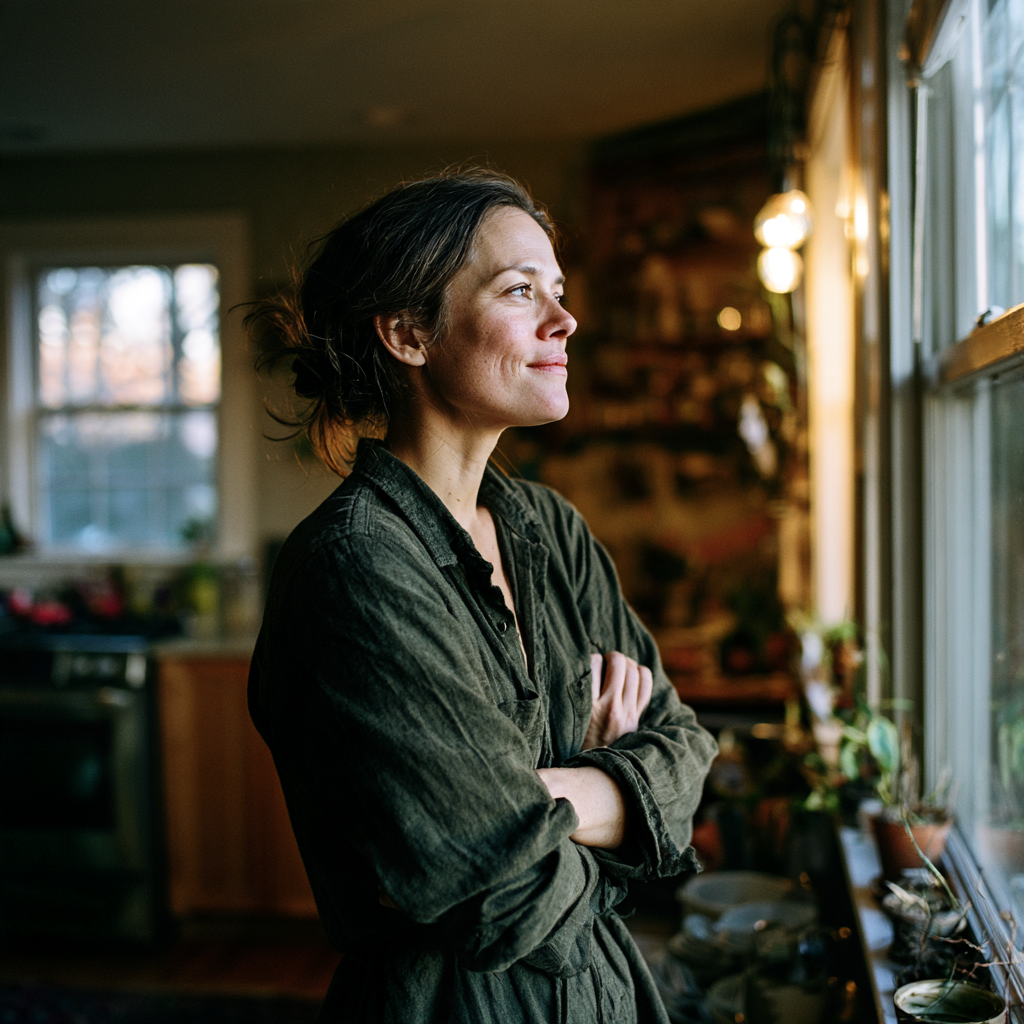
After all the times you were there for others, you are allowed to pause and ask what you need.
Many widowed people I’ve met have spent a great deal of their lives being there for someone else.
For some, that caregiving was obvious. Their spouse had been sick, and they had managed medications, appointments, meals, hospital stays, difficult decisions, and the constant mental work of trying to keep someone they loved as comfortable and safe as possible.
For others, the death was sudden. Their husband, wife, or partner was not ill for years beforehand. But even then, the moment their person dies, there is so much to take care of. There are calls to make, people to notify, paperwork to complete, accounts to close, decisions to make, and all of the administrative work that follows a death — what some people call “sad admin.”
In the middle of shock, people are expected to keep moving.
It is easy to get lost in taking care of business. Sometimes that is what gets a person through the first days or weeks: there is always another form, another phone call, another task that needs attention. But the person who was there to help take care of you is no longer there. In the rush to manage everything else, many widowed people stop taking care of themselves.
They do not make time to rest. They do not make time to eat well, move their bodies, see a friend, or do something that matters to them. Often, they do not make time for grief itself. They keep it pushed down because there is too much to do and too many people who need something from them.
But grief does not disappear because we stay busy. It waits. Eventually, it asks to be felt.
Learning to be on your own side means learning to be the person who advocates for you, protects you, and cares for you in the way you once cared for your person — and perhaps in the way your person cared for you.
That can be one of the hardest things to learn in widowhood.
More Than Self-Care
This is not only about self-care in the usual sense, although those things matter. Typical self-care practices focus on your body: allowing yourself to sleep when you are tired, getting a massage when you have been holding tension for months, eating at regular intervals, or taking a walk when stress begins to build.
But I am talking about a kind of care that only you can give yourself: permission.
Permission to skip an event, decline an invitation, or leave early when you have reached your limit.
Permission to miss your person, even when doing so makes other people uncomfortable.
Permission to say, “I cannot do that right now,” without explaining yourself or feeling guilty.
Those are important acts of care. But learning to be on your own side goes deeper. It means putting yourself first when necessary.
That can feel uncomfortable, especially for people who have spent much of their lives being selfless. Our culture often praises people who give and give and give. And when someone dies, there are usually other people grieving too: children, parents, siblings, friends, coworkers, and family members. A widowed person may feel responsible for supporting everyone else while carrying their own unimaginable loss.
But this is not about deciding that no one else matters.
It is about deciding that you matter, too.
You do not have to disappear inside other people’s grief. You do not have to be the strong one, the organized one, the comforting one, or the person who makes everyone else feel better. You are allowed to make choices based on what you need, not only on what will make other people most comfortable.
Putting yourself first is not selfishness. It is survival. It is love directed inward.
Becoming Your Own Advocate
Being on your own side means asking yourself questions you may be used to asking everyone else.
What do I need today?
What would make this moment more manageable?
Am I doing this because I want to, or because I am afraid to disappoint someone?
What would I say to someone else who was carrying what I am carrying?
For many widowed people, the answers may not come quickly. When you have spent years thinking about someone else’s needs, preferences, moods, and comfort, it can be difficult to know what you want. Even small decisions can feel overwhelming.
What do I want for dinner?
Do I want to go to that gathering?
Do I want to stay home today?
Do I want help, or do I need space?
These are not insignificant questions. They are a way of remembering that your preferences, needs, and choices still matter.
You do not have to know the future in order to be on your own side. You do not have to have a five-year plan or feel confident about every decision. Sometimes being on your own side simply means being honest about where you are right now.
“I do not know what comes next, but I know this is hard.”
“I do not know what I want long-term, but I know what I need today.”
“I do not know how I will do all of this, but I can take one thing at a time.”
Making Space for Who You Are Now
Learning to be on your own side also means making space for who you are now.
Widowhood can make people question who they are. A person may have spent years as part of a we. They may have been a caregiver, a spouse, a parent, a planner, a partner, or the person who kept things going. When that relationship changes through death, it can feel as though part of the self has changed, too.
But you are still here.
You are still a person with preferences, feelings, values, memories, needs, and hopes. You may not know exactly who you are becoming, but you can begin to speak about who you are now with clarity and authenticity.
You are a person who feels grief.
You are a person who still feels love.
You are a person who may feel angry, relieved, exhausted, lonely, confused, grateful, afraid, numb, or hopeful — sometimes all in the same day.
None of those feelings cancel the others out. They are part of being human after a profound loss.
Being on your own side means accepting that these feelings belong. It means not judging yourself for having them. It means allowing yourself to be a whole person rather than reducing yourself to what others need from you or what widowhood has taken from you.
Your person cannot be replaced. No amount of self-care changes that. Learning to be on your own side is not about pretending that you can give yourself everything they gave you.
It is about making sure you do not abandon yourself in their absence.
You have spent so much time being there for other people. Now, you can learn to be there for yourself with that same tenderness, attention, and loyalty.
This is one way of carrying your love forward.
Learning to be on your own side can feel unfamiliar. If you’d like a place to talk about what you need right now, schedule a free Holding the Ember call. We can begin there.